
WASM- Jordan and the Eastern Mediterranean Basin region continue to be affected by a long-lasting polar wave, resulting in low temperatures and heavy precipitation and rain showers at intervals from Sunday afternoon and for several days, producing additional quantities of rain especially in the western regions of the kingdom, which increases the chances of flash floods and torrential floods in low-lying areas and valleys.
Saturday/Sunday night and Sunday morning.. Freezing hazards in mountains and plains..
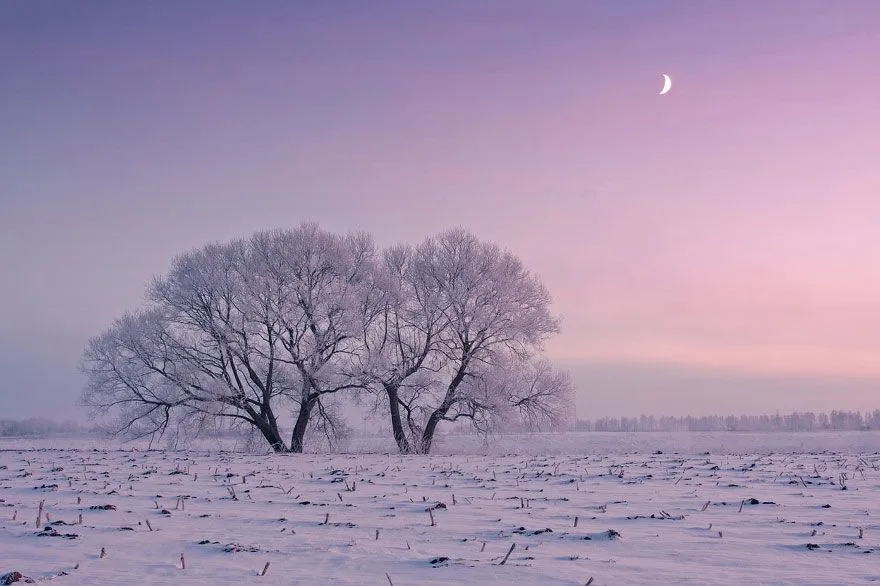
Temperatures will be very low tonight with the continuation of the polar wave, and freezing is expected in mountains and plains. The temperature in the highlands of the capital is expected to reach around 0 degrees Celsius, and below zero in high mountains and some desert areas and plains.
Heavy rain renewal from Sunday afternoon and for several days at intervals..
Heavy rain renews occasionally and at intervals from Sunday afternoon and for several days, being heaviest between Sunday evening until Tuesday dawn, and again between Wednesday morning until the end of the week. These rains are expected to produce large additional quantities especially in the western regions of the country, which increases the chances of flash floods and torrential floods especially in low-lying areas and valleys as a result of the recent large quantities.
Snow showers are expected on the peaks of high mountains in some periods again with the renewal of heavy precipitation occasionally during the coming days.
Monitoring the possibility of intensification of the polar wave later after mid-month|
The WASM regional center continues to monitor the possibility of intensification of the polar wave after mid-month due to the expected impact of wide areas of Eastern Europe by a strong polar storm during mid-month, which increases the chance of polar winds surging towards the Eastern Mediterranean again.
Intensification of the climate phenomenon "Seasonal Shifting" |
This phenomenon is called "Seasonal Shifting" and it is due to climate changes affecting the region, which have caused the intensification of this phenomenon in recent years, as it was found that more than 75% of total rainfall in recent years has been delayed to the second half of the rainy season compared to 46% before climate changes.
This phenomenon has also led to increased rainfall rates and a rise in the rate of extreme winter or snow storms, and an increased chance of very large quantities of rain falling in shorter time periods. This phenomenon was very evident in the 2022-2023 season, where more than 90% of the rainy season fell in some areas during the second half of that season and rain continued until mid-June, recording a seasonal increase of about 40-70% in most areas.
Jordan has not suffered any shortage of rainfall quantities in recent years, but rather changes in the nature of rainy seasons and their intensification and an increase in rainfall rates by more than 60%.