
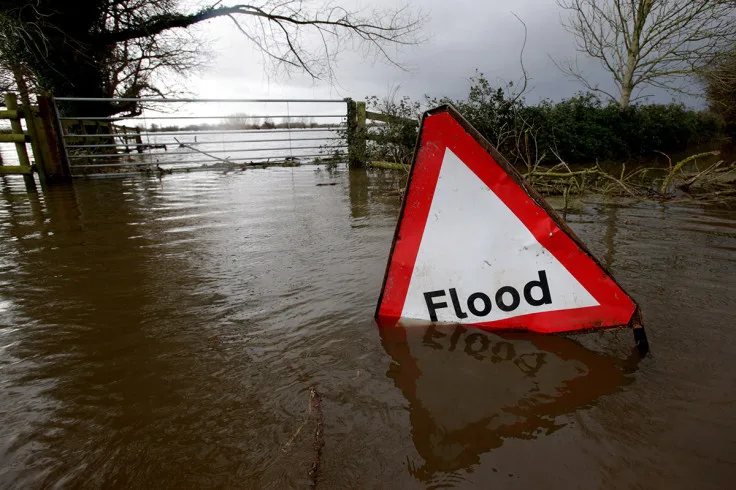
WASM – WASM Regional Center continues to monitor new climate data that significantly increases the likelihood of floods and torrential rains in the region. A 250-400% increase in flash flood occurrence has been recorded in the Arabian Peninsula, Jordan, and the Arabian Gulf states compared to the period before 2010, as a result of climate change.
Due to the intensification of these changes and their coincidence with more extreme climatic factors, the subtropical jet stream, responsible for bringing extreme weather systems to the region, has shifted and changed course. This is expected to double the likelihood of floods and torrential rains in the Levant and surrounding areas, including Jordan, Palestine, Egypt, western and northern Saudi Arabia, Kuwait, and parts of central and southern Iraq, as well as the southern Arabian Gulf region over the next 5 years compared to the 2010-2025 period at a minimum.
These areas have recorded a significant increase in rainfall rates over the past 12 years, exceeding 60% of seasonal averages. Nine strong rainy seasons were recorded out of the previous 12 rainy seasons due to these strong climate changes.
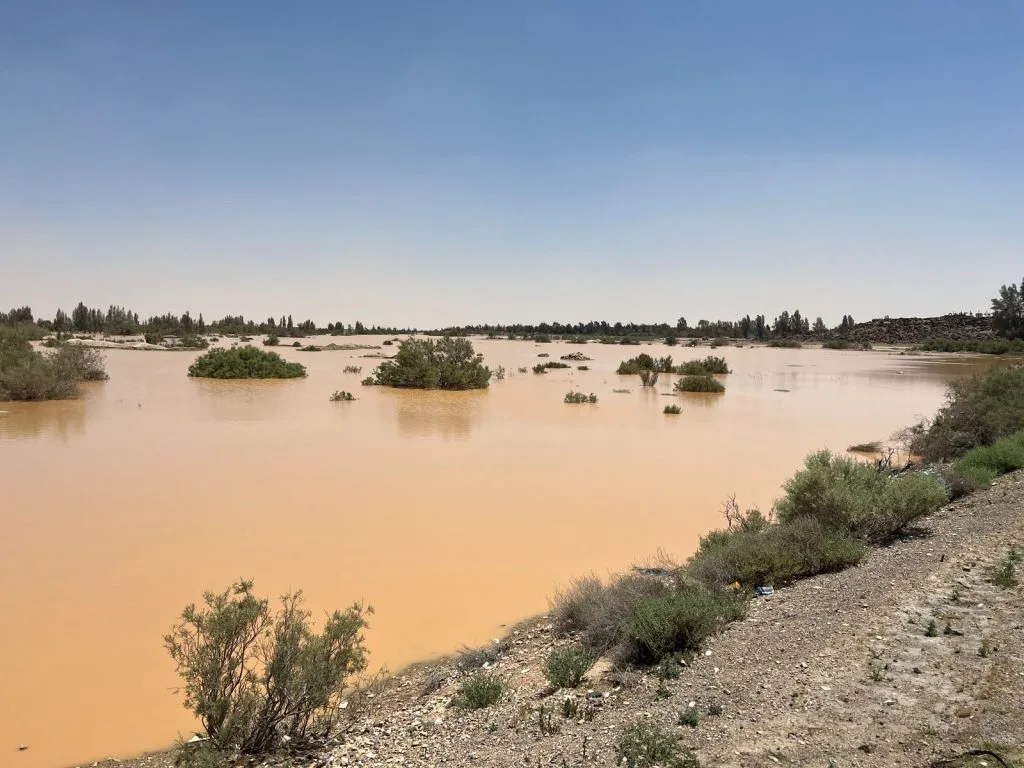
Increased likelihood of flash floods to more than double |
As a result of these changes and climatic factors, forecasts based on statistical analysis derived from WASM Regional Center's specialized climate model for extended-range forecasts (generally exceeding 5 years) indicate that the probability of floods and torrential rains in the region will exceed double compared to the 2010-2025 period. That period recorded an increase in flood rates of around 400% compared to the period before 2010.
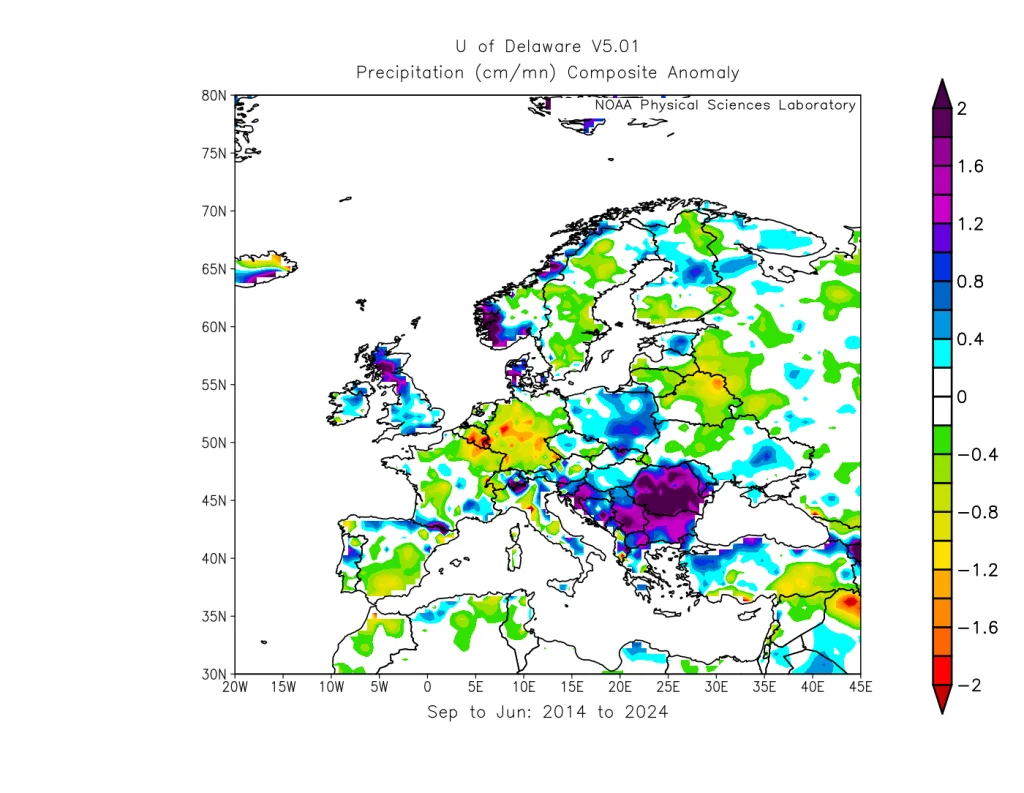
Looking at these large and dangerous numbers results from several complex climatic factors that coincided in a rare manner, starting with extreme North Pacific heating, which recorded the strongest variation in climate records since 1880, as well as unprecedented Mediterranean Sea warming, coinciding in a rare manner with cooling in the tropical region of the Atlantic Ocean.
This caused a sudden change and shift in the movement of the subtropical jet stream, becoming weak and divided over the east Atlantic region. This led to the easy surge of heat waves toward Europe, recording their worst summer ever this year, which caused thousands of deaths.
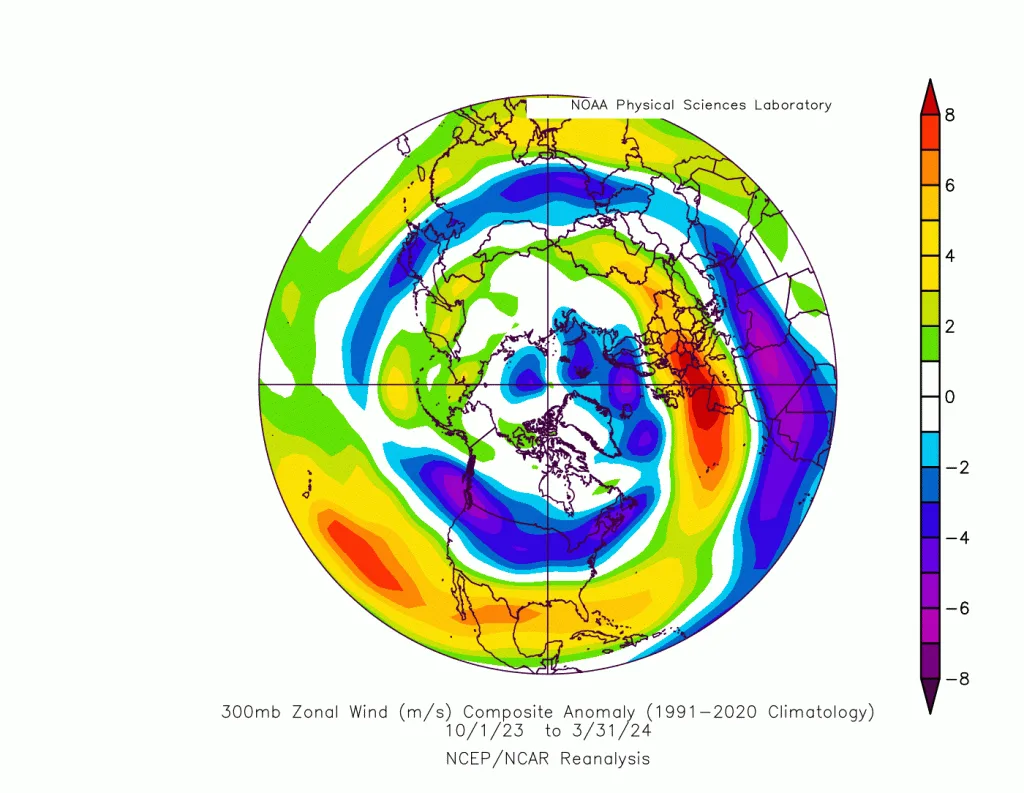
This weak jet stream began to allow heat exchange between higher and middle latitudes in the region, leading to the surge of cold currents through the upper layers of the atmosphere toward the Mediterranean Sea and reaching the Arabian Peninsula, meeting warmer than usual surface air masses loaded with high quantities of water vapor as a result of Mediterranean Sea warming and the Arabian Sea region and adjacent water bodies, leading to increased chances of flooding and sudden strong torrential rains.
This change in the path of the subtropical jet stream has led to heavy rainfall occurring out of season, which has increased significantly since 2018. Summer 2023 recorded the heaviest rainfall historically in Jordan and the eastern Mediterranean, which caused a wave of floods and torrential rains that led to dam and valley flooding in an unprecedented manner. These rains were repeated in the height of summer 2025 as a result of a deepening tropical wave coinciding with a weak subtropical jet stream in the eastern Mediterranean.
These unprecedented weather conditions are a dangerous indicator of a change in the nature of the subtropical jet stream in the region, which has begun behaving unusually over the past 12 years and is expected to become more extreme over the next 5 years.
Abnormal path for Cypriot atmospheric depressions |
The change in jet stream behavior has led to an abnormal path for Cypriot atmospheric depressions that have become positioned more to the south of Cyprus than usual, leading to increased drought waves in northern Iraq and Syria (northern Levant), and resulted in heavy precipitation westerlies being pushed toward Jordan and Palestine (southern Levant).
This also led to the activation of heavy precipitation fronts toward western Saudi Arabia, the Mecca region, Jeddah, and northern and western Saudi Arabia and southern Iraq over the past 12 years, which the weakness of the subtropical jet stream has enhanced in atmospheric activity.
This behavior of Cypriot depressions will change again over the coming years, with the reason being the expected weakening of the polar jet stream for the first time in years. This decline in polar jet stream intensity will lead to the easier surge of polar winds compared to previous years, causing these atmospheric depressions to deepen more and improve rainy seasons in northern Syria, Iraq, and Turkey.
The expected weakening of the polar jet stream will significantly increase the likelihood of flooding over the next 5 years in the region, especially in the northern and western half of the Arabian Peninsula, and sometimes in its southeastern part as well. It will also increase the chance of snowy conditions over the next 5 years, especially in the northern half of the Levant, and will also increase the chance of severe winter warming waves.
Jet stream weakness increases atmospheric circulation undulation and weather extremes and large temperature differences. Despite the decline in the number of heat waves in the eastern Mediterranean region over the past 5 years and an increase in moderate summer days, the chance of very sharp and short heat waves has increased as a result of this atmospheric circulation.
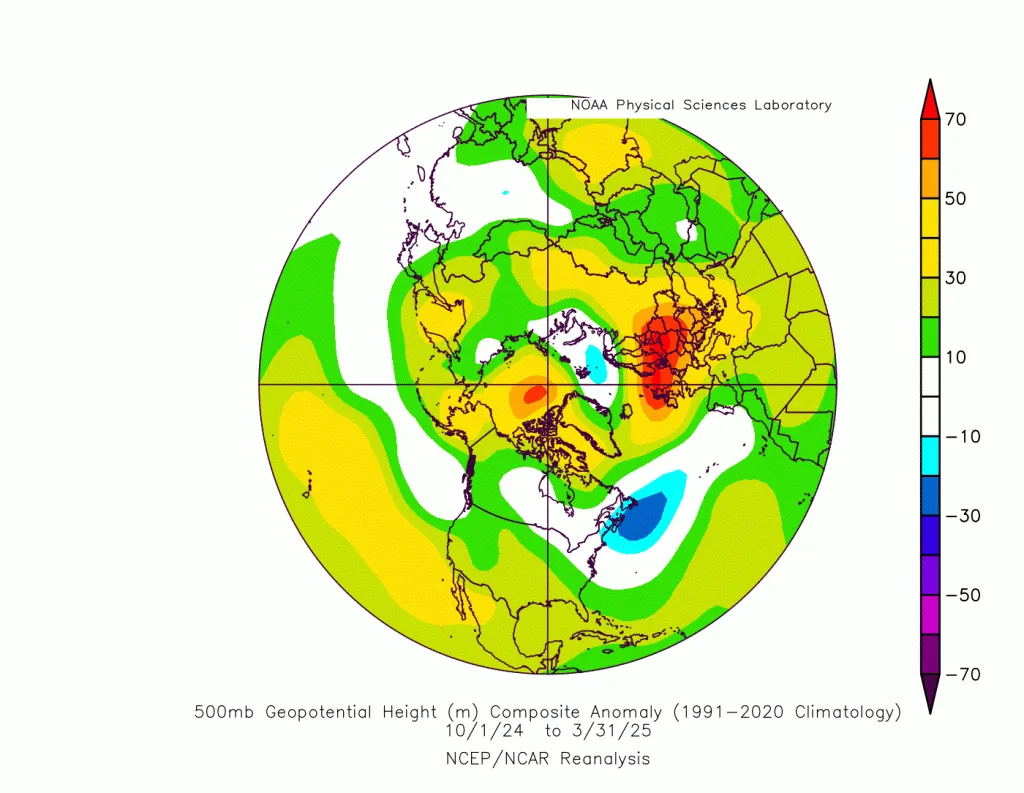
Jet stream weakness |
The weakening of the subtropical jet stream is a dangerous climatic phenomenon that appeared approximately 12-15 years ago in the region, which significantly increased cases of floods and torrential rains in the Levant region, which included Jordan, Saudi Arabia, Kuwait, and the Arabian Peninsula.
As a result of the expected weakening of the polar jet stream over the next 5 years for the first time in years, this will lead to extremely extreme atmospheric circulation, leading to increased chances of storms occurring globally and not just locally.
Polar jet stream weakness increases the likelihood of significant heat exchange between the North Pole and the tropical region, leading to the activation of baroclinic atmospheric instability and increased chances of winter storms, especially in mid-latitudes.
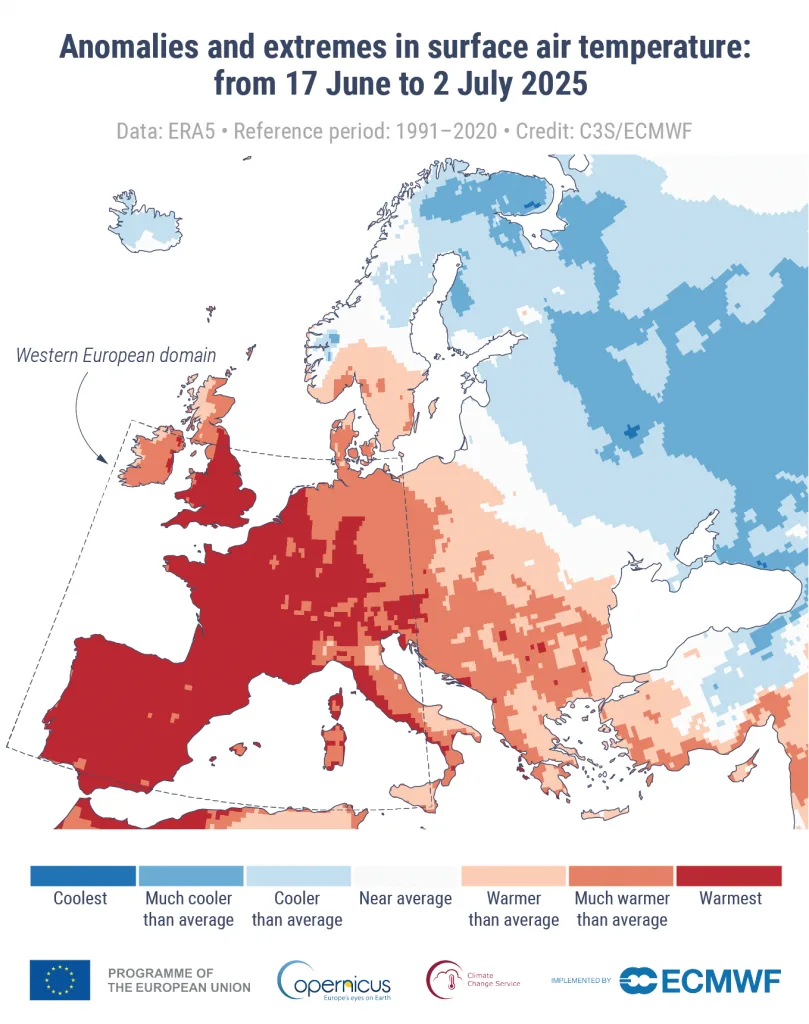
This coinciding with subtropical jet stream weakness and warm water bodies will lead to more extreme rainy seasons, with increased drought waves and rainfall interruptions, as well as raising the likelihood of severe winter storms occurring now and then, leading to widespread flood cases in the region that are more dangerous.
Summary of the Report |
This report is considered a summary of climate changes without delving into the precise scientific details about complex climatic factors, and more details will be issued through other reports equipped with simplified videos that facilitate understanding the danger of these climate changes. These are the expected results over the next 5 years |
- Additional increase in rainfall rates of around 5-20% or more in the Levant region, including Jordan, Palestine, Saudi Arabia, Kuwait, southern Arabian Gulf, southern and central Iraq.
- Retreat of drought waves in northern Levant, northern Iraq, and eastern Turkey.
- Increased chance of rainfall interruptions and sharp winter warming waves during rainy seasons.
- Increased chance of winter storms carrying very large amounts of rain that may equal an entire rainy season.
- Increased chances of floods and torrential rains in the Levant region by around 200%.
- Increasing drought rates in vast parts of the Maghreb region, especially northern Algeria.
- Decline in the number of heat waves during summer periods in the eastern Mediterranean region with an increase in their intensity if they occur.
- Increased chances of off-season summer rainfall in the Arab region, especially Egypt, Jordan, and Palestine.
- Increased chances of snowstorms, especially in northern Levant and parts of northern Saudi Arabia, Iraq, and eastern Jordan.
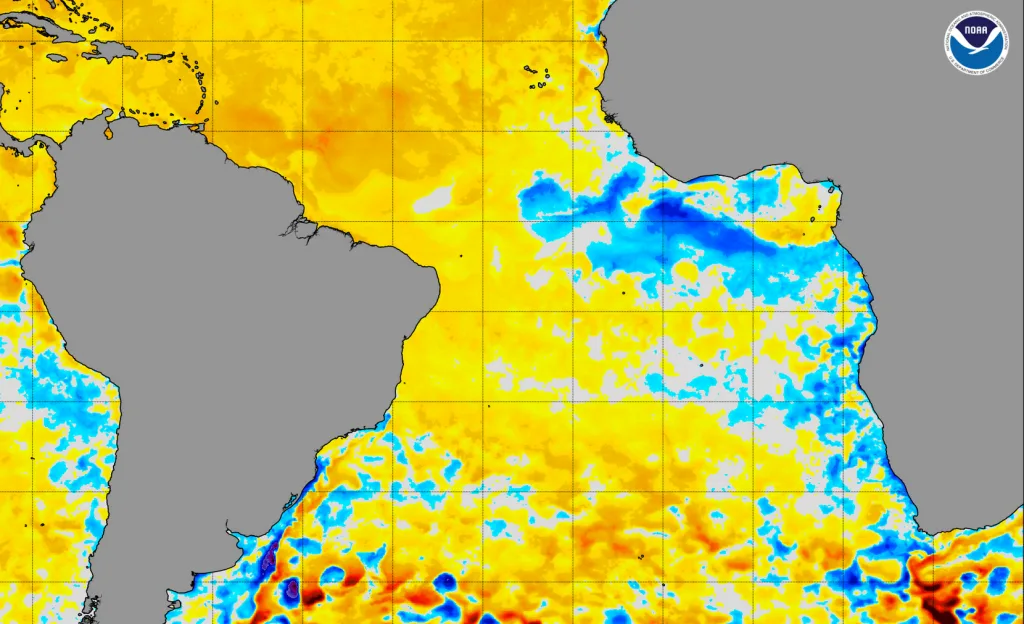
Climate changes are different from one region to another globally. Climate changes in Europe differ in nature from the Arab region due to different climates. For example, rainfall rates have declined and temperatures have risen significantly in western Europe over the past 12 years, while the opposite occurs in Jordan, Palestine, and the Arabian Peninsula, where rainfall rates have increased by more than 60% and heat waves have declined over the past 5 years.
Climate changes cannot be identical here and there, and the non-scientific citation and application of Western studies to the Arab region exposes the region to significant losses from these dangerous climate changes.
Improving infrastructure in the Arab region is the best way to face these climate changes that we cannot stop, as much of these climate changes occur for natural reasons related to atmospheric circulation and its surrounding factors.
* This report studies intertwined and complex climatic variables. The occurrence of acute geological phenomena or external cosmic factors could alter the results.