
WASM – It is expected that the El Niño phenomenon will increase in impact over the coming years, especially over the next 10 years, resulting from a continuous rise in global temperatures and as a result of global warming, which has begun to increase its impact in recent years based on the climate model developed at WASM.
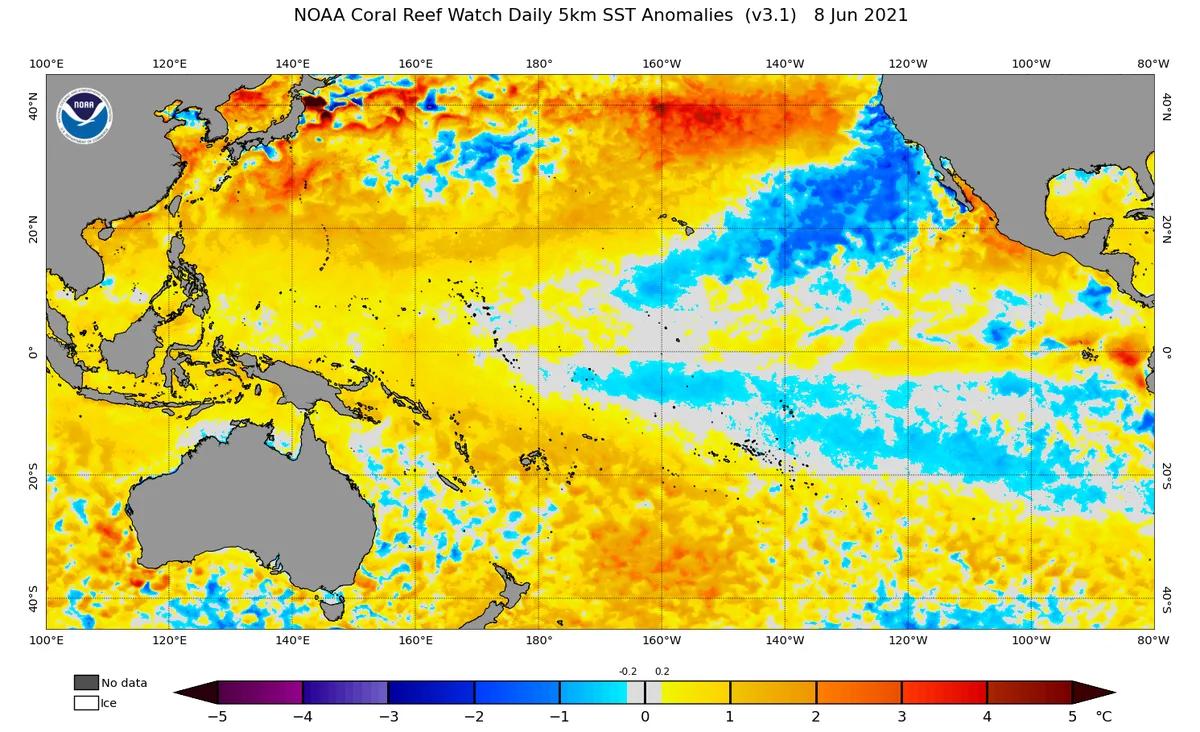
The El Niño phenomenon is the rise in water surface temperatures in the Pacific Ocean's tropical region, which lies between 5 degrees north and south, and this direct effect causes changes in the general circulation of the atmosphere depending on the nature of the El Niño condition or the conditions affecting the Pacific Ocean region.
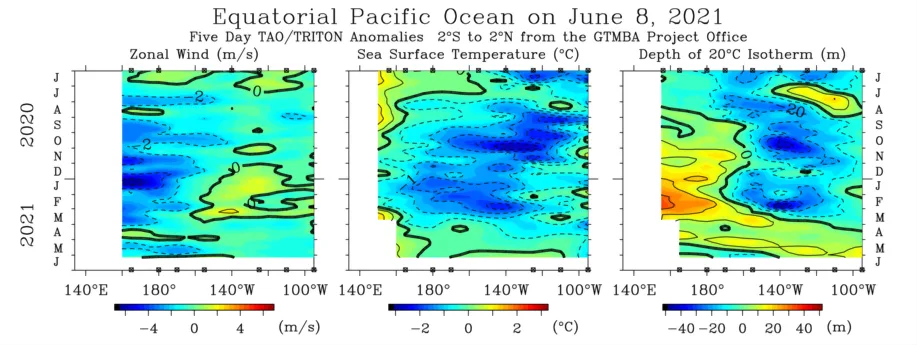
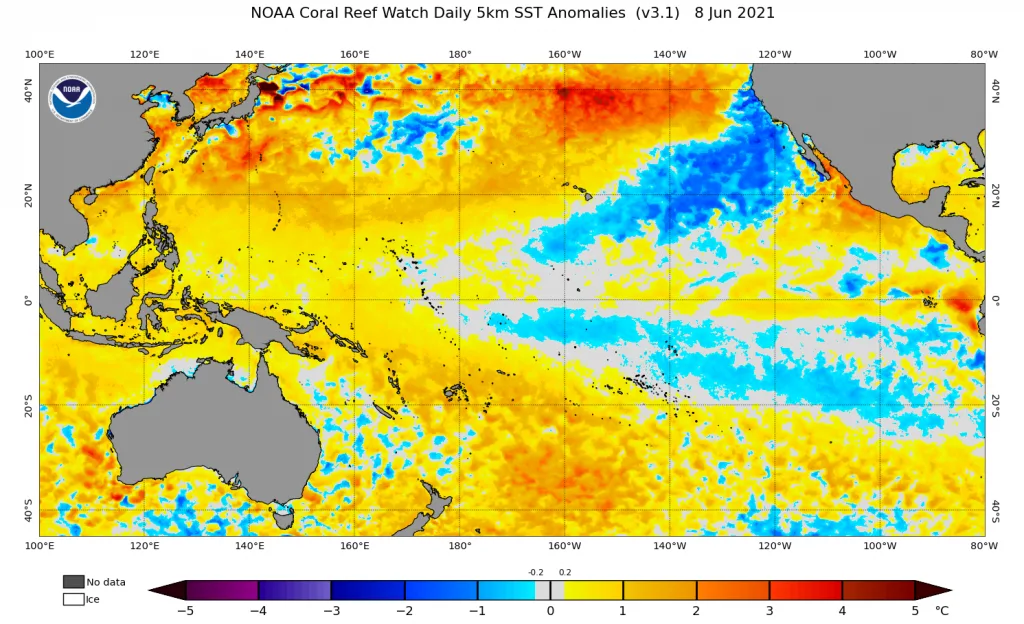
Contrary to many climate forecasts issued this season regarding strong development of the La Niña phenomenon, it did not occur due to the development of semi-surface warm Kelvin waves in the Pacific Ocean region, which were moving from west to east and caused a sudden and rapid collapse of the weak La Niña phenomenon, which surprised many climate observers around the world. This resulted in changes to the data of climate models of all types specialized in long-range forecasts.
.
The El Niño phenomenon clearly affects the main weather patterns in the atmosphere and coincides with changes in ice conditions and its shrinkage at the poles, the speed of ice melting, and increased rates of floods and flooding, as well as strong drought waves in many tropical regions, especially the Amazon rainforest areas.
The world experienced during the last season what is called a weak La Niña condition or "temporary cooling between El Niño phenomena, which WASM Regional Center tends toward" and this phenomenon also causes sharp extremes in atmospheric circulation and the speed and strength of heat exchange, which has been observed over the last 3 years..
- Heat exchange strength caused rapid melting of Arctic sea ice.
- Sharp extremes in Rossby waves (heat exchange waves between north and south) resulting from sharp and rapid changes in the jet stream and the strength of polar cell activity.
- This resulted in strong snowstorms and their impact on areas that are not usually affected by these weather conditions, resulting from the strength of heat exchange.
- Increasing number of hurricanes due to high heat and intense tropical waves.
- The atmosphere attempts to get rid of increasing heat through strong heat exchange and increased hurricanes, which results in harsh and extreme weather conditions around the world and strong snowstorms, and the increase in extreme and severe snowstorms with short-lived impacts is a result of rising global heat and increasing El Niño phenomena that increase global thermal extremes!
.
How does the El Niño phenomenon affect?
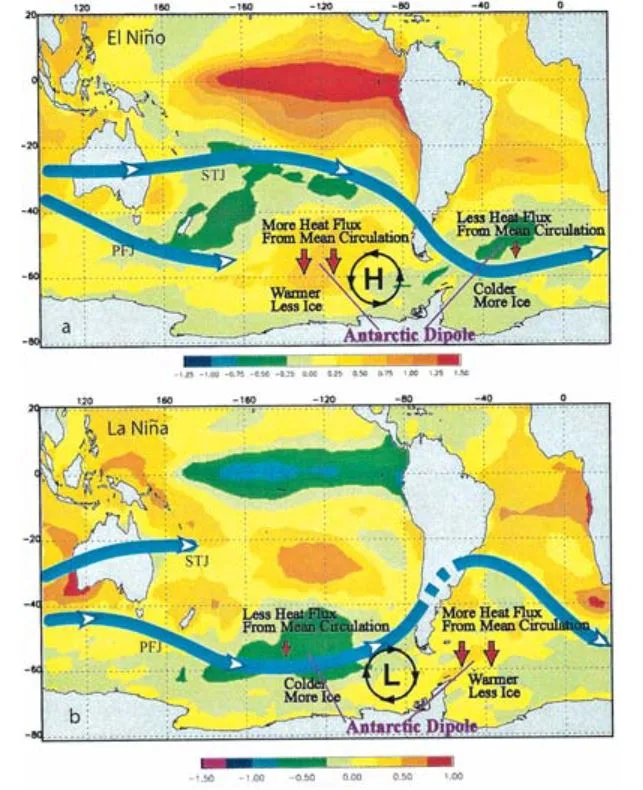
Despite the existence of many studies, WASM Regional Center launched a concise but advanced study whose link you will find at the end of this topic, using advanced maps provided by NOAA, by affecting the general circulation of the atmosphere, especially on the "Hadley" atmospheric cell that occurs between latitudes 0 and 30 degrees north and south. The strength of the El Niño phenomenon causes sharp intensification of Hadley cell activity and direct impact on the dynamics of subtropical high-pressure systems and the path of the subtropical jet stream. This causes a general change in atmospheric circulation and the emergence of different weather conditions.
Additionally, the El Niño phenomenon affects the "Walker tropical circulation cell in the Pacific Ocean," which exists between the Amazon rainforest and the Australian continent passing through the tropical Pacific Ocean region, and this circulation cell is considered one of the most important air circulation movements in the atmosphere.
The El Niño phenomenon strongly and directly affects the movement of tropical waves MJO and their strength and paths, which also in turn affect Hadley cell and the general regulation of the atmosphere and the movement and path of tropical hurricanes
.
What will happen with increasing El Niño phenomena?
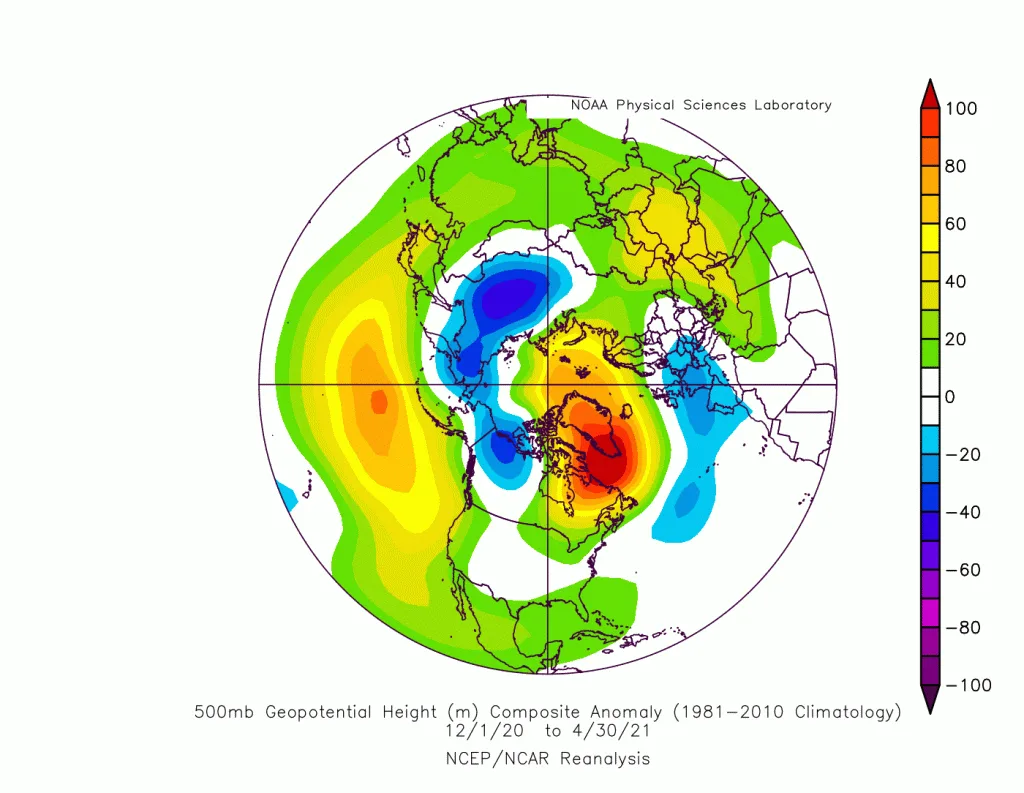
The last 6 years have witnessed a strong decline in La Niña phenomena and an increase in El Niño phenomena resulting from high global heat and the renewal of warm Kelvin waves in semi-surface waters coming from the western Pacific Ocean, which continue to surprise many climate specialists. With the continuation of these phenomena, it is expected to cause a major acceleration in ice melting in both polar regions, with stronger effects in the South Pole through direct impact on semi-polar storm activity in the Antarctic region and the formation of high atmospheric pressure due to increased strength of the Polar cell resulting from major thermal changes in the Pacific Ocean. Sharp and severe extremes in the Polar cell have been observed in the Northern Hemisphere this winter with rare and historic snowstorms in the southern United States, Spain, the eastern Mediterranean region, and Turkey. This resulted from the formation of strong high atmospheric pressure in the Arctic region, which also caused severe warming waves reaching the stratosphere layer consecutively and rarely over the last 3 years, rapid ice shrinkage in the Arctic region, and record-breaking temperatures around the world.
The sharp extremes in Polar cell and Hadley cell circulation and the impact on jet stream paths caused severe heat exchange between the Arctic and middle and lower latitudes, which resulted in powerful storms.
.
The atmosphere attempts to correct this thermal imbalance through an increase in the number of hurricanes and storms around the world, which is expected to increase continuously and exponentially over the next 10 years, and the expected detailed impacts are difficult to predict due to the severity of extremes in atmospheric circulation. Even if greenhouse gas emissions are reduced, this will not change the concentration ratio of carbon dioxide in the atmosphere in the medium term, so preparation for very sharp climate changes is required from all parties and countries around the world, because it has become a realistic matter.
Climate changes will include strong hurricanes and severe storms, sudden and sharp snowstorms, strong, sharp and long heat waves, severe drought waves, flood and flooding waves, complete climate changes in regions around the world such that the climate becomes different and new to some areas as a result of changes in the atmospheric system, which is considered the most dangerous and requires complete and rapid adaptation.
Sources used..
- https://coralreefwatch.noaa.gov/product/5km/
-https://www.researchgate.net/publication/231746515_ENSO-related_impacts_on_Antarctic_sea_ice_A_synthesis_of_phenomenon_and_mechanisms#pf6
-https://psl.noaa.gov/data/composites/day/
-https://www.pmel.noaa.gov/elnino/status
El Niño and the general circulation of the atmosphere-