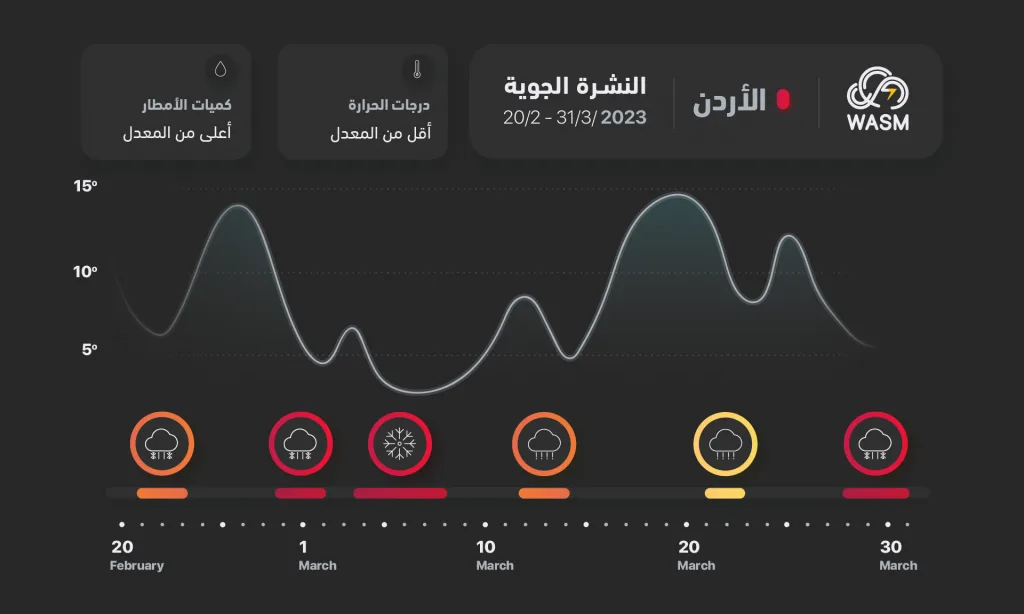
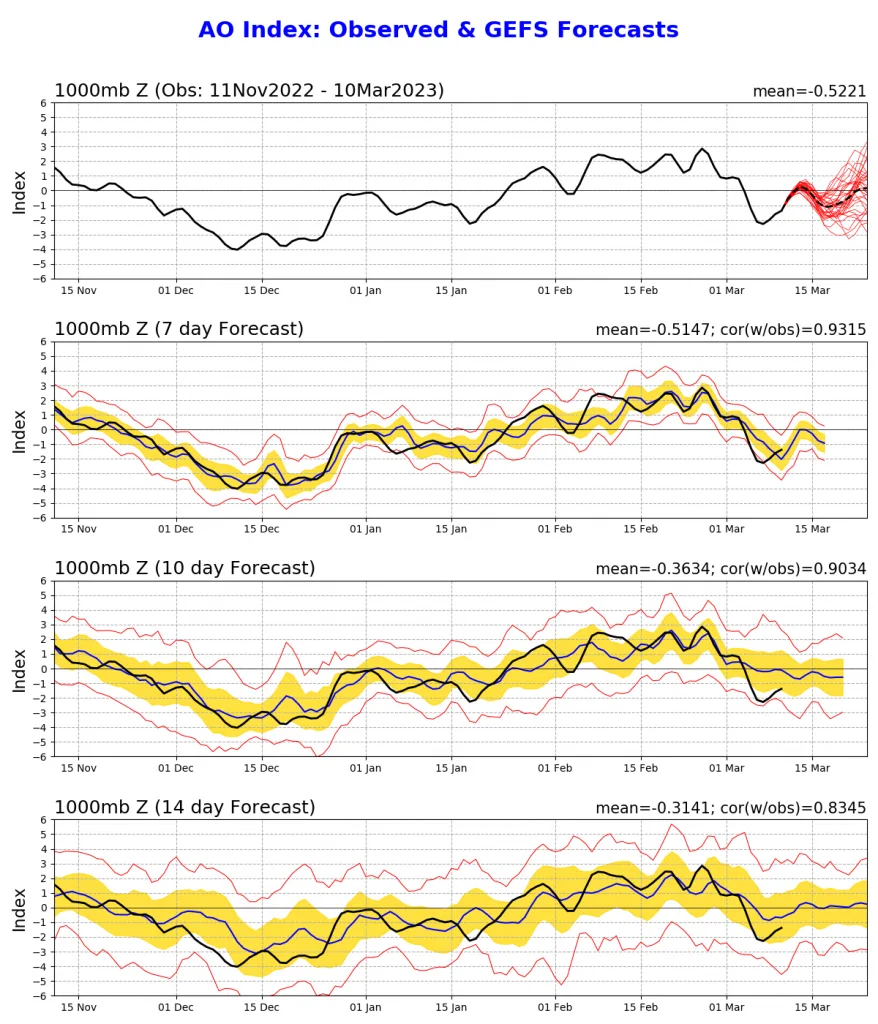
WASM- WASM Regional Center detected a sharp oscillation in surface atmospheric pressure values in the Arctic region over the past two weeks, which resulted in extreme weather conditions in various regions of the world, and high polar activity delayed around different parts of the world in the northern part of the atmosphere, and this oscillation is called Arctic Osculation Variations.
Most climate and weather scientists around the world are monitoring this unusual oscillation that has been continuing for two weeks, as its causes go back to many combined climatic factors and may not be due to climate change but rather repeated climate cycles.
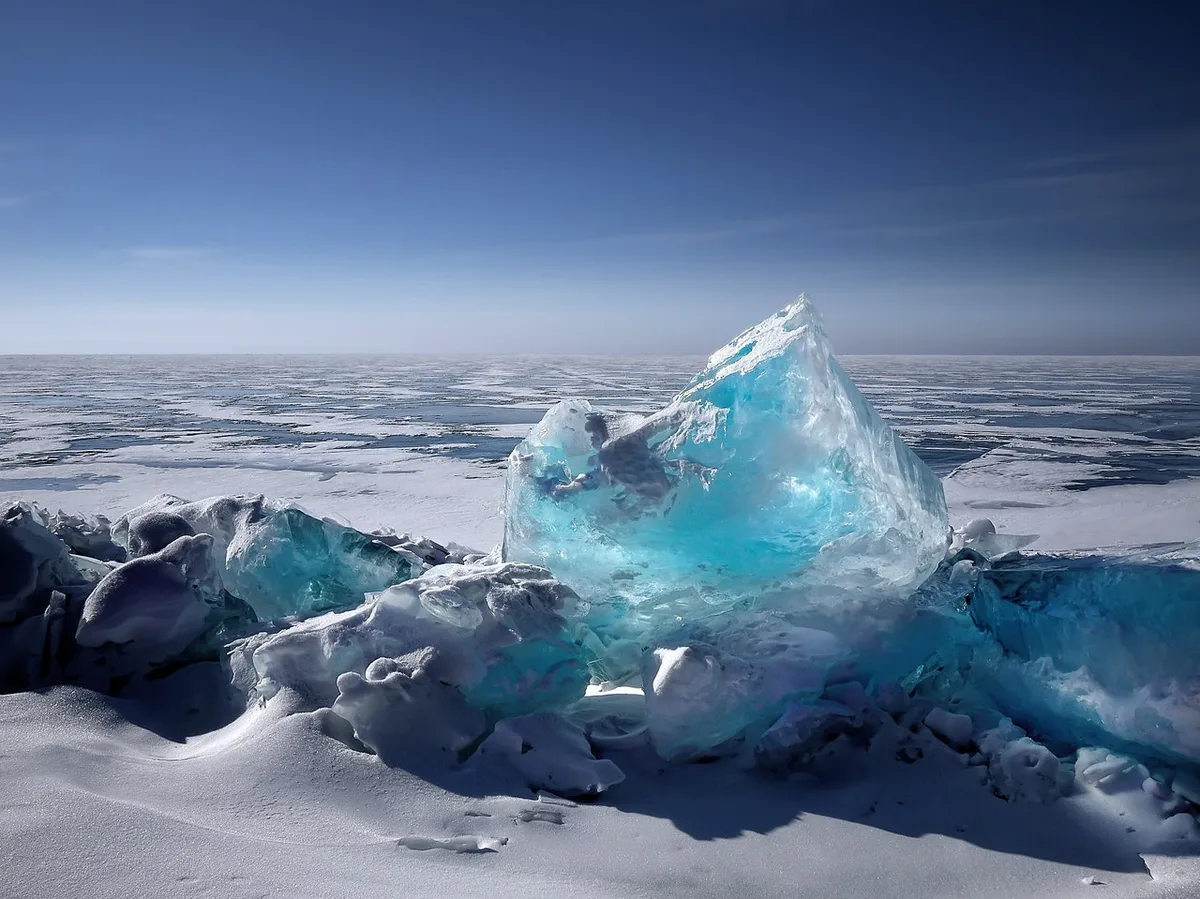
Scientific reasons for the oscillation of atmospheric pressure values above the Arctic|
This is due to many climatic factors, most importantly the rising temperatures of North Atlantic waters, which is a recurring climatic phenomenon in the form of long organized climate cycles for millions of years and is proven through ice cores in the Arctic region.
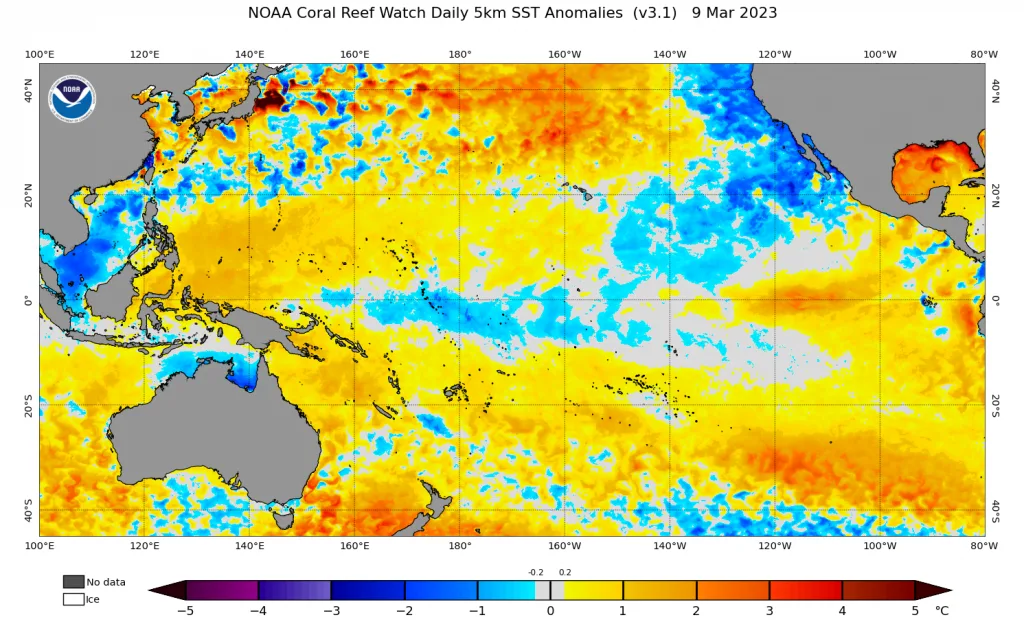
The most important reason is the rapid and sudden collapse of the La Niña phenomenon and the beginning of a El Niño condition directly, and ENSO phenomena are considered among the most important causes of strong changes in pressure oscillation in the Arctic in an indirect way through changes in the jet stream system.
The scientific community is monitoring the phenomenon of sudden and delayed warming of the stratosphere layer, which is also rare at this time, and this phenomenon helps in strong and rapid oscillation in atmospheric pressure in the Arctic region, which pushes polar air away from the Arctic toward different regions of the world in the northern hemisphere.
And with the beginning of activity of Khamsin low-pressure systems due to the beginning of summer in subtropical regions around the African coast and the Arabian Peninsula, this causes strong cases of atmospheric instability "baroclinic" and the emergence of very deep low-pressure systems over the eastern Mediterranean region due to the presence of extremely cold polar air in southern Europe and extremely hot air in subtropical regions, and this combination is considered rare with expectations of it intensifying with the beginning of the holy month.
The result of this on weather conditions|
This causes the expansion of polar air in a delayed manner over the European continent, especially its eastern and southeastern parts, and high activity of Khamsin storms that will coincide with the presence of extremely cold air masses, causing the continuation of rainy weather conditions with heavy downpours until late in the season, and a sudden and significant rise in temperatures followed by sharp decline within a few hours.
It is expected to cause the continuation of heavy rainfall until the end of spring in various regions of the Middle East, the Arabian Peninsula and Jordan, and an increase in the rate of strong storms in the region, and late snow conditions cannot be ruled out, even if limited.
This causes high chances of floods and strong, sudden torrential rains, and caution from inaccurate forecast sources and media outlets that misunderstand climate changes.
Rainfall rates have increased in recent years in Jordan and Middle Eastern countries by about 50% above their usual seasonal rates, coinciding with increased severity of drought waves in western and central Europe and its south and North African countries.
Why have many media outlets announced the end of the rainy season? And what is its relation to the cold of borrowed days?
With the spread of the rumor about the end of the rainy season through various local Jordanian media outlets due to the rise in temperatures at the end of February and the beginning of March for a short period, believing that this is an indicator of the end of the rainy season, this is due to lack of experience and deception by weather conditions, and such conditions used to occur frequently in previous years but were extremely severe this season as a result of the scientific reasons mentioned above, and often deceived communities in the past and this is the reason for the abundance of popular proverbs about them.
Borrowed days cold or old woman's cold is the period that follows a sudden and unexpected rise in temperature during the end of winter, which comes suddenly and causes severe damage especially in the agricultural sector, and usually causes a wave of strong floods or successive severe cold waves delayed and perhaps even heavy snow accumulation rarely occurring, and therefore WASM issued its seasonal bulletin around the expectation of a strong return of weather conditions during March through the use of its developed climate model which was unique in predicting these strong weather conditions.