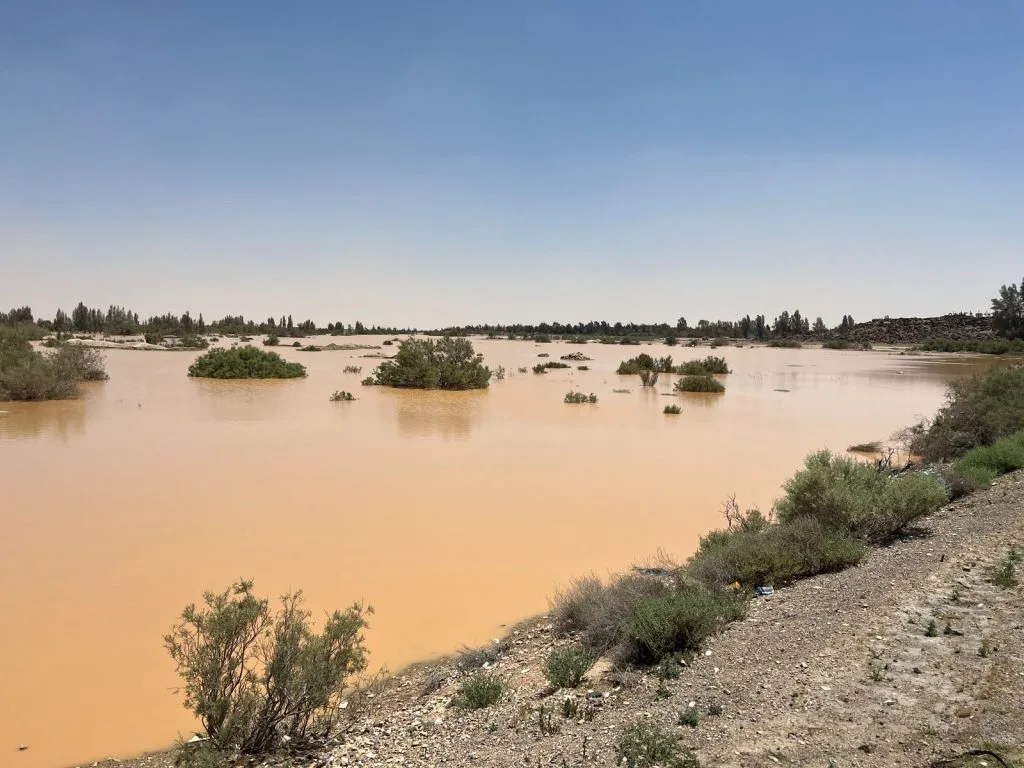
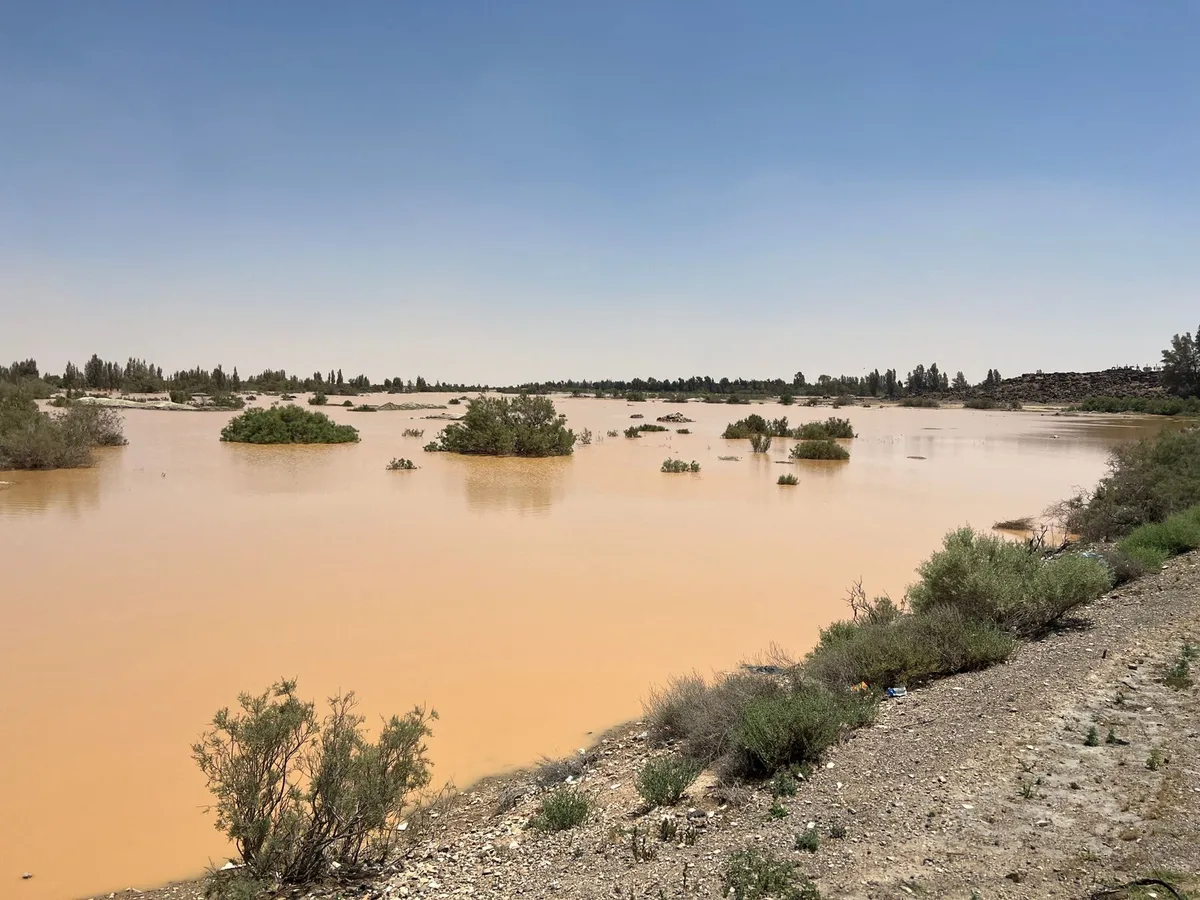
WASM- Jordan was affected by consecutive summer rains, rare in occurrence, characterized by their wide impact area and sometimes heavy precipitation, which also caused a strong wave of floods and torrents that exceeded the intensity of most winter rainy cases, and these rare summer rains followed an unusually strong and prolonged rainy season.
The summer rains that affected the Kingdom were unprecedented in modern climate records, as they were wide-ranging, consecutive, strong, and simultaneous with a significant temperature drop. Summer rains sometimes fall on the Kingdom, but they are characterized by limited scope, short temporary periods, and lack of repetition, which is contrary to what happened in recent periods and which surprised the Jordanian people. The weather conditions were very similar to what occurs in November and the autumn period, unusually.
Will summer rains repeat this summer?
By running WASM Regional Center's climate model, it is expected that summer rains will repeat at a rate of once every two weeks during the coming period, with their frequency increasing during August and the end of summer, where atmospheric instability is expected to intensify to become regional and wide-ranging, with rare impacts resulting from unusual atmospheric circulation.
Are summer rains an indicator of important climate changes?
The Kingdom has recorded a significant increase in rainfall rates since the 2014 season through the current season, with rainfall rates increasing by approximately 60%, especially in the central regions of the Kingdom due to climate changes. Among 9 previous rainy seasons, 7 strong rainy seasons were recorded, contrary to what is reported in local media outlets that publish incorrect information about climate changes, which have caused substantial losses across various sectors. An extension of rainy seasons for longer periods compared to previous years has been recorded. Because climate changes result in cumulative effects, the current summer rains are considered an important indicator of the beginning of intensifying climate change impacts on the Kingdom, and it is expected that they will become "normal" during the coming years and become more frequently repeated.
The scientific causes..
Because these weather conditions are unprecedented in modern climate records, it is claimed in the media that the cause is khamsin lows, which is incorrect information. Khamsin lows are specific weather systems with unique characteristics that form especially at the beginning and middle of spring.
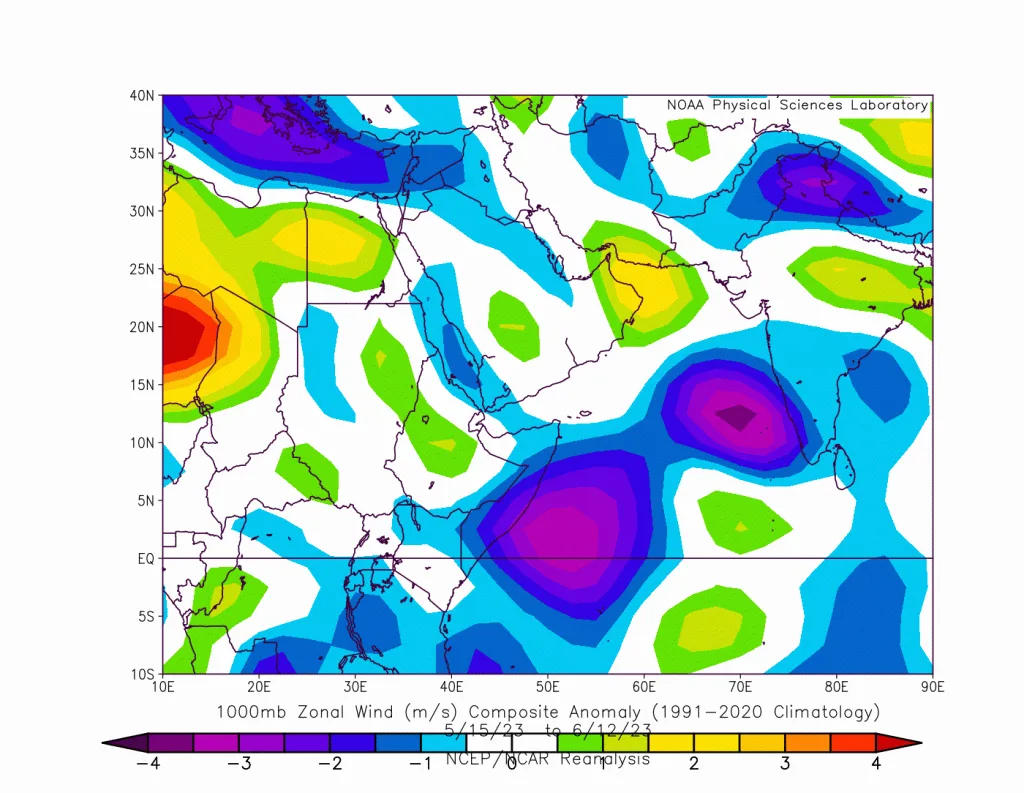
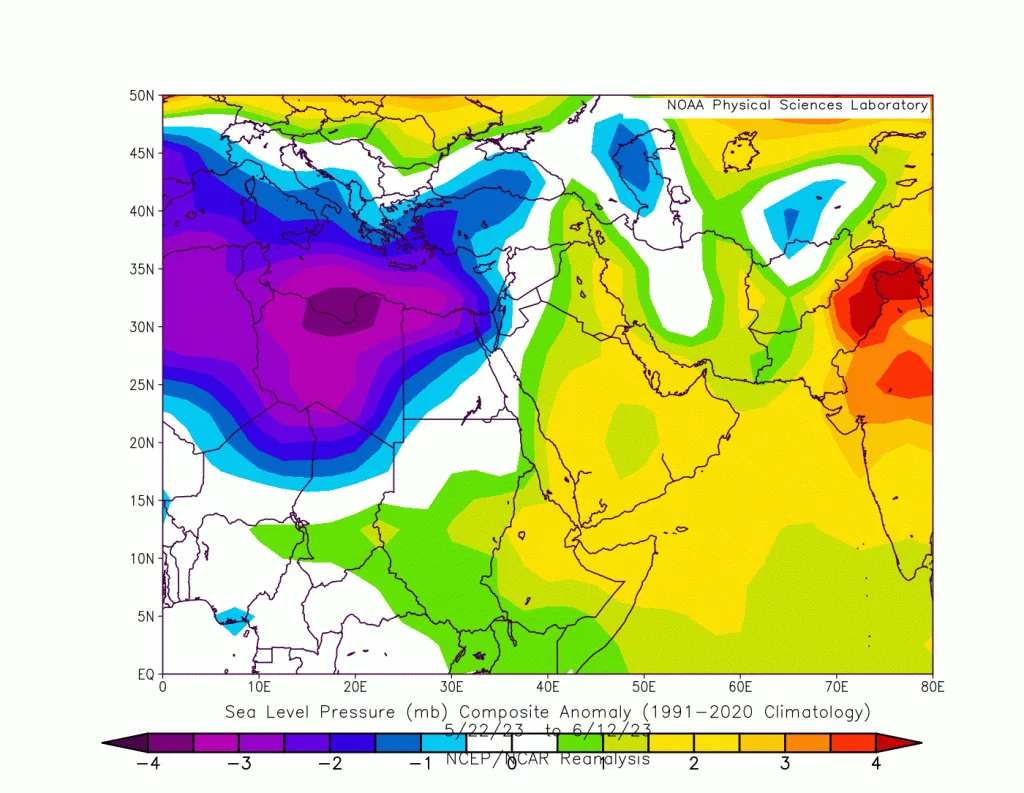
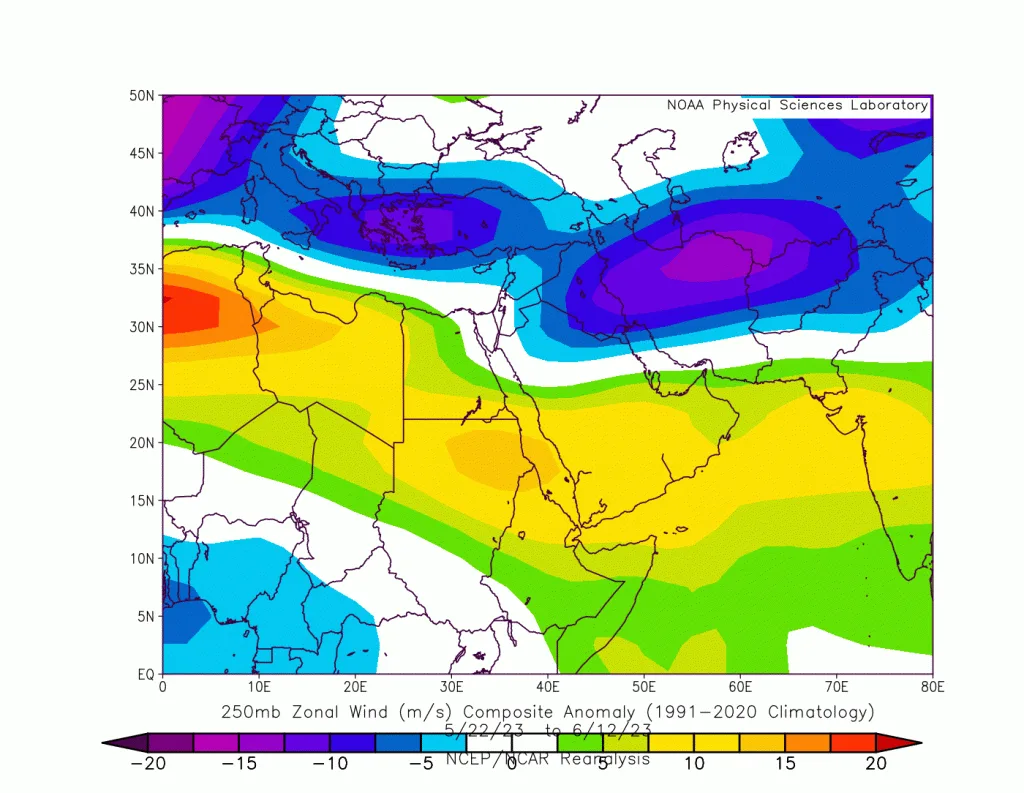
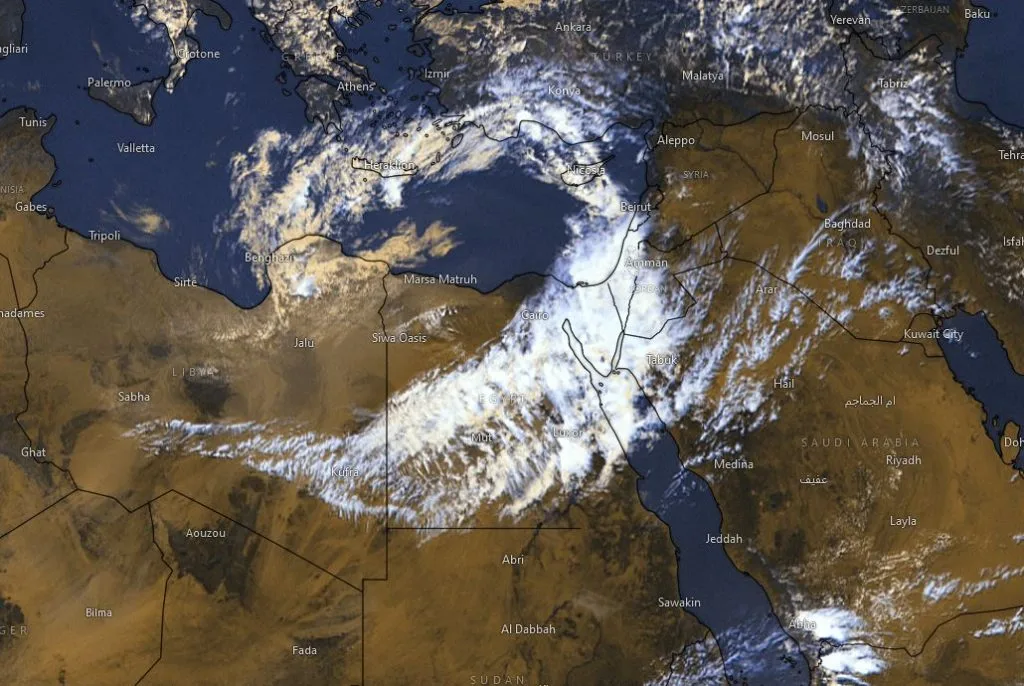
The cause of these rains is an abrupt and unprecedented deviation that occurred in the movement of seasonal winds in the Arabian Sea region, resulting from a significant drop in surface atmospheric pressure around the Red Sea and Egypt. This is explained by a significant weakening of the subtropical jet stream, which contributed to this rare weather organization. The jet stream consists of strong air currents blowing through the upper layers of the atmosphere at an altitude estimated between 10-13 km above sea level.
The weakening of the subtropical jet stream causes cold winds to flow easily through the upper and middle layers of the atmosphere, which contributes to air instability in the eastern Mediterranean region. This results in a drop in atmospheric pressure over both Egypt and Jordan and the Red Sea region. This causes a sudden change in the path of seasonal winds in the Arabian Sea region and their flow through the Red Sea. Topographic and geographic conditions help create a strong air corridor coming from the south into the Red Sea, carrying large quantities of water vapor.
Air instability and coldness in the middle and upper layers of the atmosphere allow strong cumulus clouds to form and rain to fall. The weather conditions that were affecting the Kingdom are unprecedented in modern climate records. Summer rains that occur in Jordan are very limited, narrow in scope, non-recurring, and usually return to local causes rather than regional causes.
Was Jordan affected by khamsin lows this season?
Jordan was not affected by any khamsin weather system this season, which is unprecedented, as the change in atmospheric circulation characteristics is unprecedented in climate records during this spring. The large quantities of rainfall that occurred during the beginning and middle of spring resulted from integrated and unusual Mediterranean weather systems due to the easy arrival of polar cold air toward the eastern Mediterranean basin. What happened during the beginning of the current summer from repeated summer rains resulted from the thermal Red Sea low and its easy extension toward the region.
Khamsin lows are characterized by extreme dryness and cause the transfer of dense dust waves from Egypt toward the region, but this did not happen in recent days. Instead, repeated, consecutive, and wide-ranging summer rains fell, and temperatures dropped significantly below their seasonal averages, concurrent with active winds and dust disturbance in desert areas.
How do seasonal winds cause rainfall in Jordan in summer?
Because summer rainy weather conditions are unprecedented in modern climate records, there are no studies on the nature of these rains or the weather systems that cause them. Seasonal winds are winds with very high humidity and large water content, moving from the Indian Ocean region and across the Arabian Sea toward India in summer, causing severe rainfall in those areas. They move through the coasts of Somalia, then the Arabian Sea region, then India due to a sharp drop in atmospheric pressure over southern Arabia and southern Himalayan mountain region.
As a result of the significant atmospheric pressure drop over the Red Sea and Egypt regions in recent days, this caused a significant and important portion of seasonal winds to deviate from the Arabian Sea region and surge into the Red Sea, then Egypt, Jordan, and the eastern Mediterranean region, causing severe and rare weather conditions and strong waves of consecutive floods and torrents.
The high water vapor content of seasonal winds translates into tremendous latent energy. When condensation occurs, this energy converts into thermal energy in the air and then directly converts into kinetic energy due to the presence of cold air in the upper and middle layers of the atmosphere. This causes severe additional condensation and further energy release, leading to intense air instability and the formation of massive cumulus clouds.
This causes large quantities of rainfall, hail, and strong winds. The arrival of seasonal winds in the Kingdom with this succession is unprecedented in climate records, and their impact will become normal during the coming years.
Does this mean increased rainfall rates in the rainy season?
Increased rainfall rates in Jordan have become a realistic and clear climate phenomenon due to climate changes, which became evident since the 2014 season and have intensified in recent years. Atmospheric circulation becomes more mature during the winter season.
What is called Rossby waves becomes stronger and more evident. As a result of rising temperatures in the Atlantic Ocean region and a large part of the Pacific Ocean, this is expected to cause a clear bending of the subtropical jet stream toward Egypt and northern Saudi Arabia, causing cold air to arrive easily toward the region and increasing strong and extreme rainy cases in Jordan and surrounding countries.
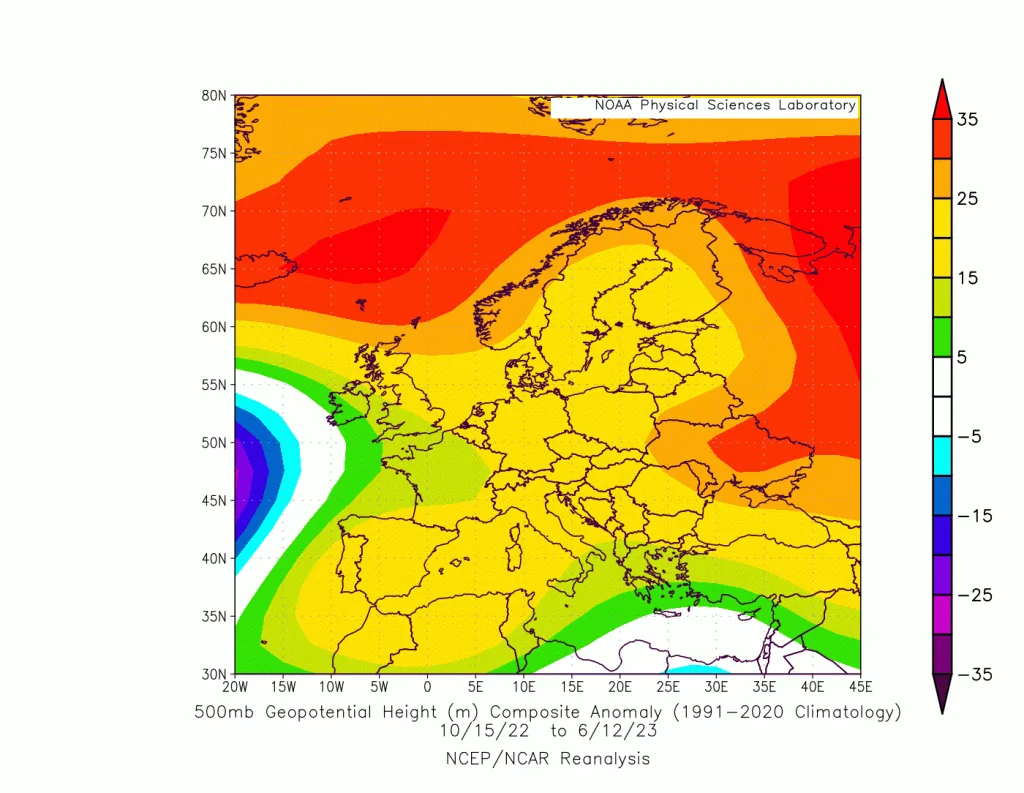
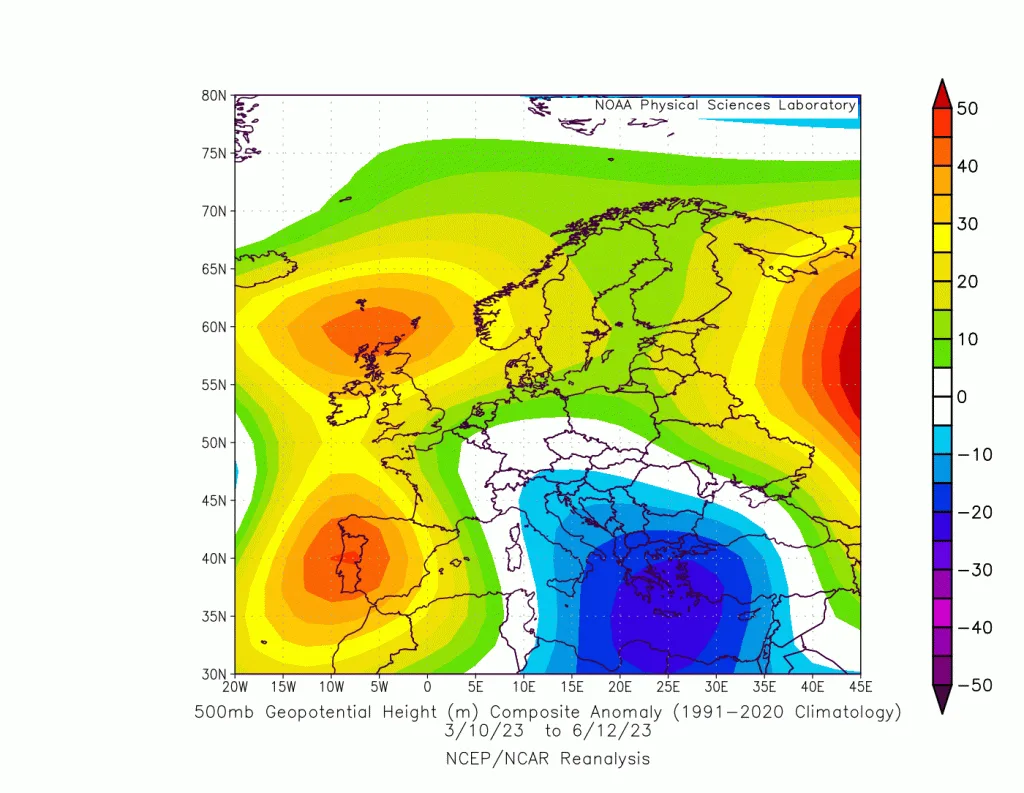
Repeated atmospheric pressure rises over large areas of Europe will cause cold air masses to move easily toward the eastern Mediterranean region, Egypt, and Jordan. The atmospheric high that is expected to continue over Europe during the coming season will be characterized by strength, solidity, continuity, and will extend toward a very wide range of European countries and south of the Scandinavian islands due to the nature of Atlantic Ocean storms, which are expected to extend toward wide ranges of subtropical Atlantic areas. This causes strong, sharp, and unusual Rossby waves in the region, supported by the weakening of the subtropical jet stream.
What increases interest is the anticipated sudden change in what is called the Polar Jet Stream. This type of jet stream is critically important in the region and consists of powerful currents that blow at lower altitudes compared to the subtropical jet stream. This jet stream meets the subtropical jet stream in winter over the eastern Mediterranean region, causing the formation of strong and distinctive winter storms that carry enormous quantities of precipitation. These storms alone can bring more than 80% of the rainy season in the region and Jordan due to their strength and large precipitation content in various forms.
The sudden change in the polar jet stream will cause its sharp weakening and decline, simultaneous with the decline of the subtropical jet stream, causing winter storms to deepen toward a wide range of subtropical areas and the southeastern Mediterranean basin in a rare manner, causing significant temperature drops and prolonged cold and sometimes very cold rainy periods during winter.
What increases the strength of this possibility is the intensification of Hadley cell circulation between the western Indian Ocean and Somalia region on one hand and North Africa and its northwest on the other. These conditions work to feed the solid atmospheric high over the European continent and change the nature of Atlantic activity in the region, causing a significant bending in the jet stream and creating strong Rossby waves in the form of omega waves that are characterized by extreme and strong weather conditions in the region.
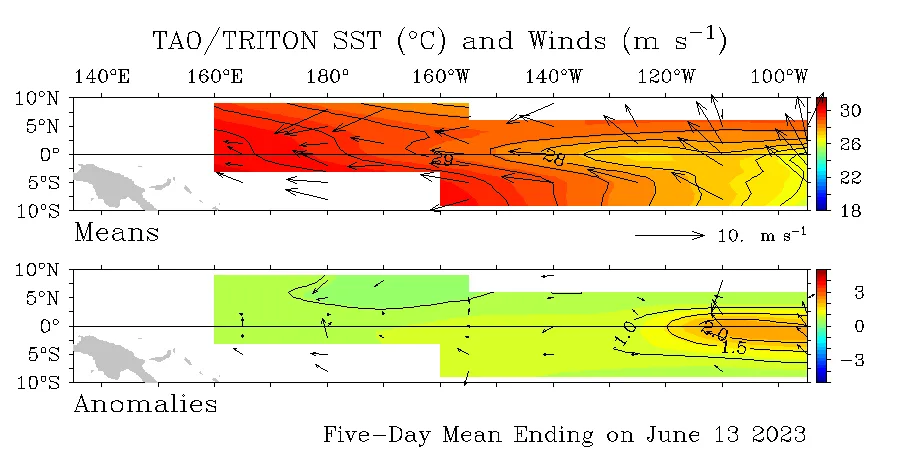
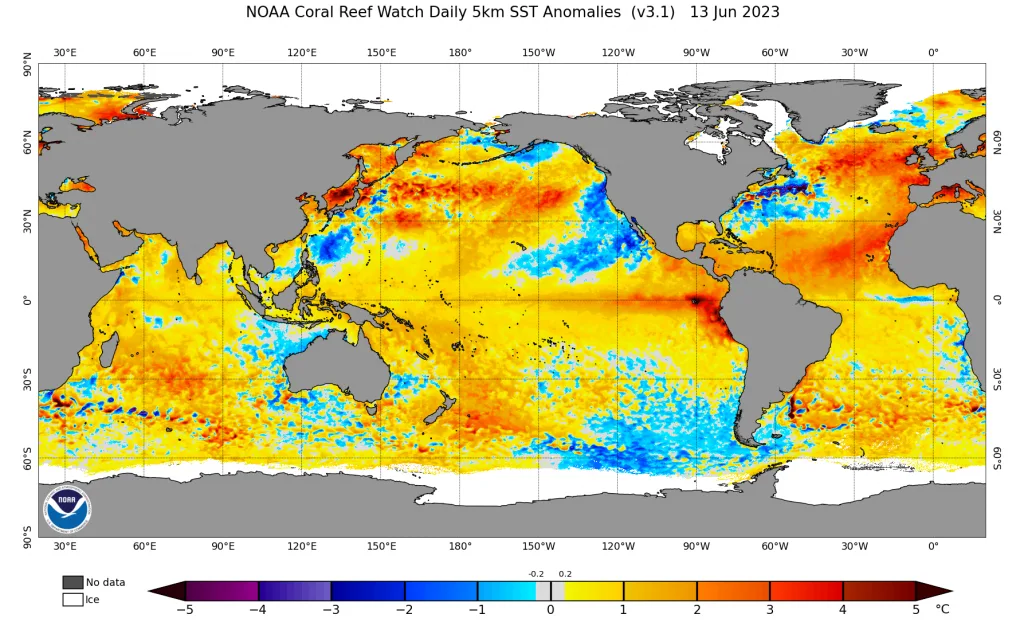
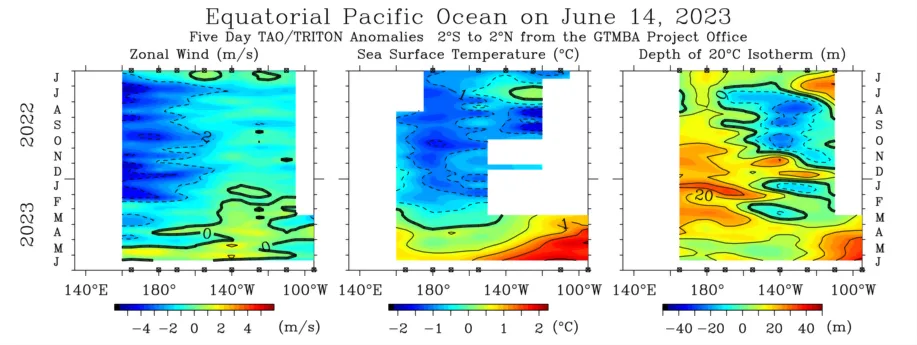
The decline of the polar jet stream will be caused by an incident that will occur in the northern Pacific Ocean region due to the El Niño climate phenomenon in the tropical Pacific Ocean region. This leads to extreme weather conditions similar to those in the western and southern United States, particularly Texas and California and their surroundings, and likewise at the same time in the far west and southwest of the European continent, then later Turkey, eastern Mediterranean countries, Greece, and the Arabian Peninsula region.
Major climate phenomena and their changes during the coming period is a very interesting matter and is greatly connected with important climate changes in the region, which are expected to increase significantly. Initial results from WASM Regional Center indicate a strong, prolonged, and unusual rainy season that will strike the region during the coming season, which requires various authorities and sectors to begin strategic planning to contain these expected strong weather conditions as much as possible.
Important climate conditions that helped seasonal winds reach during summer..
The El Niño climate phenomenon and the rising temperatures in the western Arabian Sea region also contributed to the weak arrival of seasonal winds toward India. This was an important reason for the easy deviation of seasonal winds, causing a sudden wave of floods in Somalia, parts of Sudan and Eritrea, then extending this wave toward Egypt, Jordan, and the eastern Mediterranean region.
The El Niño climate phenomenon will cause intensification of climate changes in the Kingdom and a significant increase in rainfall rates during the coming season across various regions and increased chances of extreme weather conditions. The relationship between major climate phenomena and climate changes is a direct one, as these climate phenomena work to intensify and amplify climate changes rapidly. Therefore, it is expected that the impact of extreme rainy conditions on the Kingdom will intensify during the coming season and increase in flood and torrent rates in a manner that may be unprecedented in modern climate records.
How to deal with new climate changes?
Following correct and accurate scientific sources is one of the first important steps in properly dealing with climate changes. Local media outlets significantly contributed to increasing losses from recent climate changes by publishing incorrect information and dealing with extreme weather conditions in an unprofessional manner. Following correct and scientific sources helps greatly in preparing for strong and extreme weather conditions and understanding the expected severity of anticipated weather situations.
Climate changes cannot be stopped, as they are strong natural conditions. A large part of climate changes is natural, resulting from important climate cycles in the atmosphere that occur over thousands of years or perhaps hundreds of thousands of years. Human activity also affects the amplification of these climate changes and increases their harm and accelerates their impact.
Adaptation is the ideal solution to these climate changes. Increased rainfall rates and the extension of rainy seasons for long periods in a large part of the Middle East region necessitates resorting to improved water harvesting and agricultural adaptation to new climate conditions, encouraging farmers to grow many crops that benefit from large quantities of rainfall.
Rainfall is not expected to be limited to winter only, but will extend to long periods throughout the year due to climate changes in many years until they become normal climate conditions.